About Us

Southcentral Foundation is an Alaska Native-owned 501(c)(3) nonprofit health care corporation delivering comprehensive outpatient and inpatient regional health services to more than 70,000 Alaska Native and American Indian people living in the Indian Health Service’s Anchorage Service Unit.  Southcentral Foundation also provides a wide array of statewide outpatient and inpatient health services to more than 155,000 Alaska Native and American Indian people living throughout Alaska.

Incorporated by Cook Inlet Region, Inc. (CIRI) in 1982, Southcentral Foundation is one of CIRI’s designated Tribal Organizations under the Indian Self-Determination and Education Assistance Act, Public Law 93-638, and the Indian Health Care Improvement Act, Public Law 94-437. Under the Tribal authority of CIRI, Southcentral Foundation is authorized to provide core governmental services and administer programs to deliver health care to Alaska Native people living within the Municipality of Anchorage and the Matanuska-Susitna Borough, excluding the services provided by the Native Village of Eklutna, the Knik Tribal Council, and the Chickaloon Village Traditional Council. Southcentral Foundation is the largest of CIRI’s Socially Driven Enterprises, employing more than 3,000 people in more than 80 health programs located at more than 40 health clinics and facilities across Alaska.

Southcentral Foundation’s first contract with the Indian Health Service under the Indian Self-Determination Act began in 1983. The agreement included dentistry, optometry, community health, and injury-control services. Throughout the 1980s and early 1990s, Southcentral Foundation’s Tribal health programs grew to cover a broad range of medical, dental, behavioral health, and substance use services, including Dena A Coy, a behavioral health and substance use residential treatment program for women, and Quyana Qenq’a, a behavioral health day treatment program for adults.

Southcentral Foundation’s first contract with the Indian Health Service under the Indian Self-Determination Act began in 1983. The agreement included dentistry, optometry, community health, and injury-control services. Throughout the 1980s and early 1990s, Southcentral Foundation’s Tribal health programs grew to cover a broad range of medical, dental, behavioral health, and substance use services, including Dena A Coy, a behavioral health and substance use residential treatment program for women, and Quyana Qenq’a, a behavioral health day treatment program for adults.

Southcentral Foundation’s first contract with the Indian Health Service to deliver health services at the old Alaska Native Medical Center in downtown Anchorage began in 1993, when it assumed direct operation of a portion of the outpatient psychiatry services provided at the hospital.

On October 1, 1994, along with a dozen other Alaska Native Tribal entities, Southcentral Foundation entered into the Alaska Tribal Health Compact – a self-governance compact with the Secretary of the U.S. Department of Health and Human Services pursuant to Title V of the Indian Self-Determination Act. As a self-governance compactor, Southcentral Foundation assumed control and funding of its healthcare programs and services and established the general terms of the government-to-government relationship between Southcentral Foundation and the United States.

As part of its initial self-governance compact and funding agreement with the Indian Health Service in 1994, SCF assumed direct operation of portions of numerous health services delivered at the old Alaska Native Medical Center hospital, including Urgent Care, Psychiatry, Family Medicine, Pediatrics, and Women’s Health services.

On June 2, 1997, two new healthcare facilities serving Alaska Native people opened in Anchorage. The new Alaska Native Medical Center hospital – located less than six miles from the old hospital in downtown Anchorage – began to serve customer-owners. And the newly built Yagheli Shesh Qenq’a Anchorage Native Primary Care Center also began to deliver a broad range of comprehensive health services. Recognizing that the new hospital would not be large enough to accommodate all necessary health services provided to the Alaska Native people it serves, CIRI simultaneously built the Yagheli Shesh Qenq’a ANPCC directly across the street from the new hospital.  As a result, the outpatient clinics for Psychiatry, Family Medicine, Pediatrics, and Women’s Health previously located in the old hospital in downtown Anchorage moved to Yagheli Shesh Qenq’a ANPCC on June 2, 1997. SCF purchased Yagheli Shesh Qenq’a ANPCC from CIRI in 1998.

Five months after the new Alaska Native Medical Center hospital and the new Yagheli Shesh Qenq’a ANPCC opened, in November 1997, Section 325 of Public Law 105-83 was enacted. Pursuant to Section 325(d), SCF assumed direct ownership and management of an extensive array of outpatient and inpatient health services delivered at both facilities to the 55 rural communities that comprise the Anchorage Service Unit of the Indian Health Service, as well as to all Alaska Native and American Indian people living throughout Alaska. Since the beginning of the assumption of these vital services, Southcentral Foundation instituted significant philosophical reformations and other changes in the design and administration of these programs. Southcentral Foundation instituted a total system-wide transformation of care, increasing the quality and adaptability of programs —and more importantly—the accountability of health providers and customer-owners alike. As a result, the Alaska Native people served by Southcentral Foundation are in charge of designing and delivering the health care they receive.

Over the last 25 years, 11 federally recognized tribes throughout Alaska have individually requested that Southcentral Foundation agree to be their designated Tribal Organization that is authorized to provide core governmental services and to directly administer health programs to their rural communities under the Indian Self-Determination Act and the Indian Health Care Improvement Act.
WHAT IS NUKA?

Southcentral Foundation’s Nuka System of Care is recognized as one of the world’s leading models of health care redesign and is a recipient of the 2011 and 2017 Malcolm Baldrige National Quality Award. “Nuka” is an Alaska Native word that means strong, giant structures and living things. It is also the name given to Southcentral Foundation’s whole health care system, which provides medical, dental, behavioral, traditional and health care support services to more than 70,000 Alaska Native and American Indian people.

In the Nuka System, strong relationships between primary care teams and patients (known as customer-owners) have helped manage chronic diseases, control health care costs, and improve the overall wellness of the people we serve. Recognizing that individuals are ultimately in control of their own lifestyle choices and health care decisions, Nuka focuses on understanding each customer-owner’s unique story, values and influencers in an effort to engage them in their care and support long-term behavior change.

The focus on relationships extends beyond health care delivery. To ensure whole system transformation, each key work system was redesigned – including workforce development, compliance, human resources and finance – to ingrain an organization-wide focus on relationship-building and shared decision-making.

We offer health care organizations value-based solutions for data and information management, integrated care, behavioral health, workforce development, improvement, innovation and more. Attend a Nuka Conference, request a speaker, participate in trainings and consult with Nuka experts on varying elements of whole system transformation.

OUR VISION

A Native Community that enjoys physical, mental, emotional and spiritual wellness.

OUR MISSION

Working together with the Native Community to achieve wellness through health and related services.

OPERATIONAL PRINCIPLES

SCF’s operational principles provide guidance from customer-owners when improving systems and/or developing new programs or services. Our mission and goals emphasize working together with individuals, families and the community, which means our systems and services are built on RELATIONSHIPS. We believe that multidimensional wellness can only occur effectively in a relationship-based system of care designed by and for the customer-owner, when, where and how they want it.

NUKA FAQS

After the system transformation that established the Nuka System of Care, SCF saw a dramatic decrease in ER visits and hospital discharges for customer-owners. SCF saw a 44% decrease in ER visits from 2000 to 2004, and a 63% decrease in inpatient discharges during that same time period. SCF has sustained these improvements, with an overall 31% decrease in inpatient discharges from 2000 to 2019.

By improving the overall health of the population, SCF’s Nuka System of Care slowed health care spending dramatically. Between 2004 and 2009, annual per capita spending on hospital services grew by only 7 percent while primary care spending remained below the national index.

Nuka is an Alaska Native word used for strong, giant structures and living things.

SCF’s Nuka System of Care is a relationship-based, customer-owned approach to transforming health care, improving outcomes and reducing costs. The Nuka System of Care is very unique and receives increasing national and international recognition for its effectiveness.

Any health care organization – regardless of where they are on the value-based payment spectrum – can benefit from the operating principles and systems on which the Nuka System of Care is built. For example, the Nuka System of Care can serve as a model for integrated health systems or accountable care organizations engaged in system redesign around a strong primary care platform or those already engaged in risk-based payor contracts. Other providers will benefit from incorporating Nuka System of Care principles and systems – such as robust behavioral health services, team-based care, and data-driven management tools – as they develop population health strategies and prepare for value-based reimbursement.

Core Concepts is a required training for all Southcentral Foundation employees, as it provides foundational tools to build relationships. Employees learn communication tools that underline respect and empathy with peers and customer-owners. For more information, click here!

SCF has been operating with the key elements of a successful Accountable Care Organization (ACO) for more than 15 years. Slightly over one-third of SCF’s revenue (37%) comes from the Indian Health Service. Approximately 7-10% comes from other sources, such as grants. Most of the remainder is fee-for-service, including Medicare, Medicaid, and private insurance.

While SCF has access to non-traditional sources of revenue, it is important to understand that it also faces unique challenges. The community SCF serves has historically dealt with complex health issues such as chronic disease, poverty, and trauma-induced mental health concerns; however, the Nuka System of Care is working with the community to address these issues.

For more information on SCF’s finances, our Finance White Paper is available for download.

98%

CUSTOMER-OWNER SATISFACTION

90%

EMPLOYEE SATISFACTION

75th - 90th

PERCENTILE IN MANY HEDIS MEASURES

LEADERSHIP

BOARD OF DIRECTORS

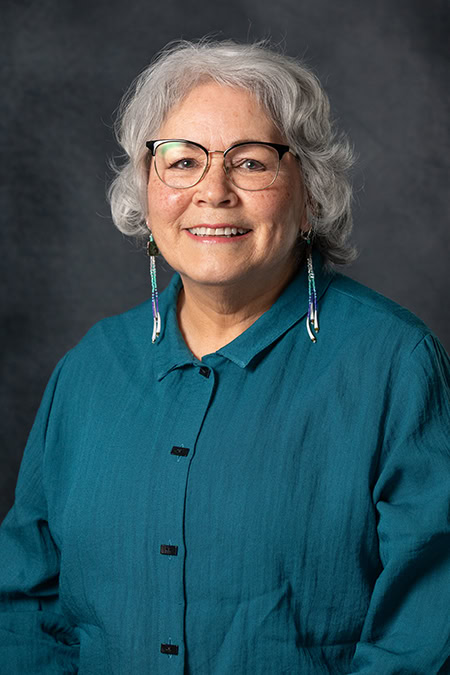
Karen Caindec

Karen Caindec

Chairperson, 2022 - present; Director, 2004 - present
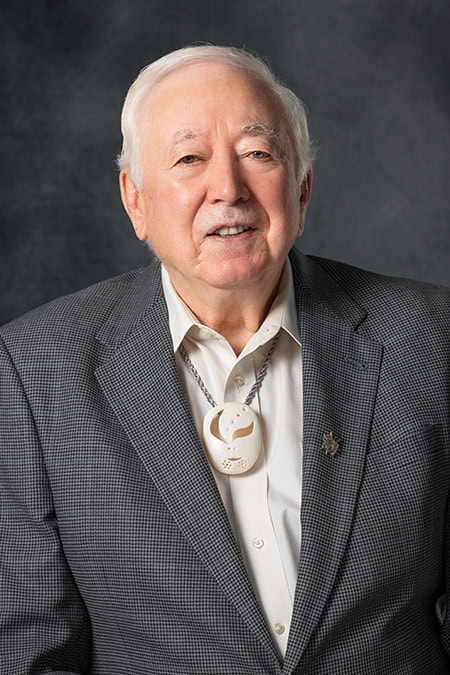
Roy M. Huhndorf

Roy M. Huhndorf

Vice Chairman, 2022 - present; Director, 1995 - present
Thomas Huhndorf

Thomas Huhndorf

Secretary, 2022 - present; Director, 2019 - present
R. Greg Encelewski

R. Greg Encelewski

Director, 2022 - present
Sandra Haldane, BSN, RN, MS

Sandra Haldane, BSN, RN, MS

Director, 2022 - present
Dr. Jessie Marrs, MD

Dr. Jessie Marrs, MD

Director, 2021-present
Dr. Terry Simpson, MD, FACS

Dr. Terry Simpson, MD, FACS

Director, 2003-present
Lisa Wade

Lisa Wade

Director, 2021-present

EXECUTIVE LEADERSHIP

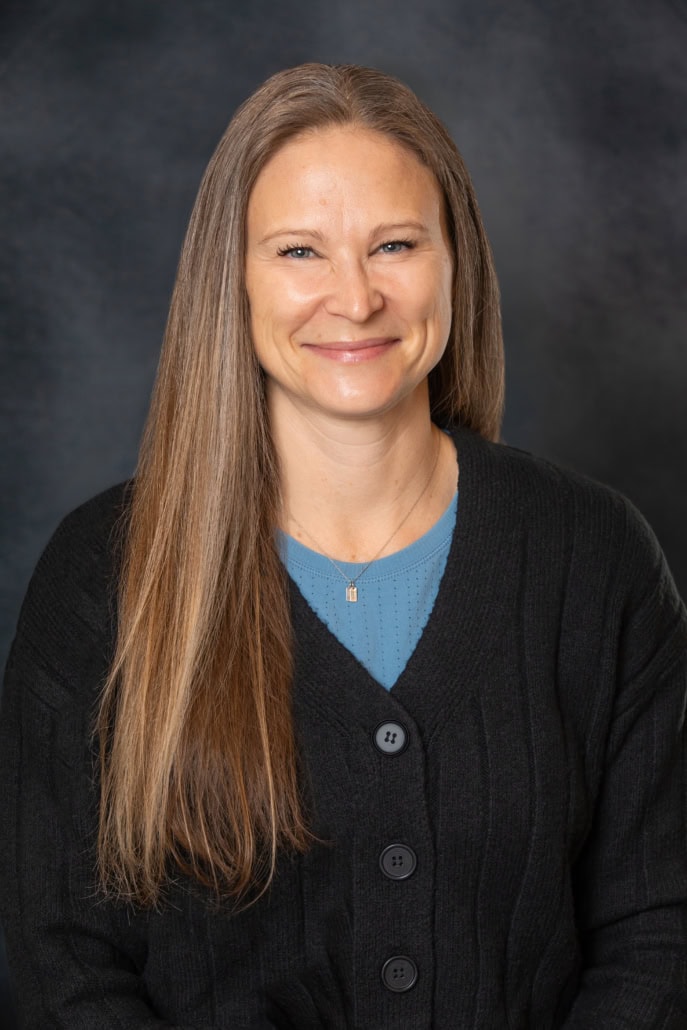
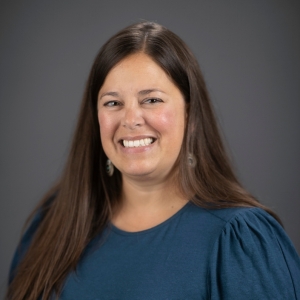
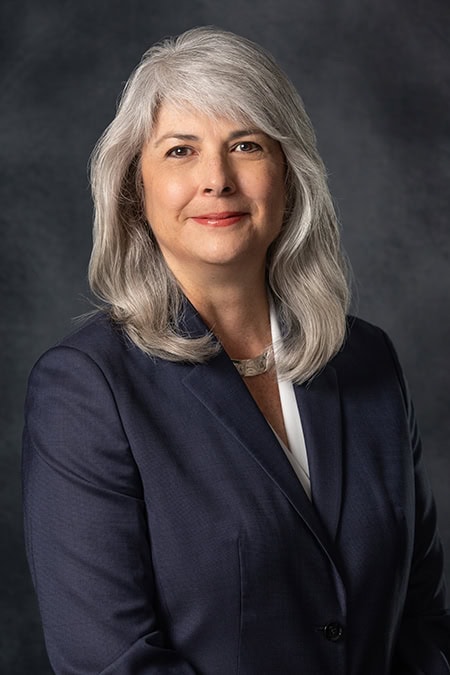
April Kyle

April Kyle

Southcentral Foundation President/CEO
Doug Eby, MD, MPH

Doug Eby, MD, MPH

Executive Vice President of Specialty Services
Lee Olson, CPA

Lee Olson, CPA

Executive Vice President of Finance and Facilities, Chief Financial Officer
Michelle Tierney, PhD

Michelle Tierney, PhD

Executive Vice President of Organizational Development and Innovation/Chief Compliance Officer

AWARDS & RECOGNITION

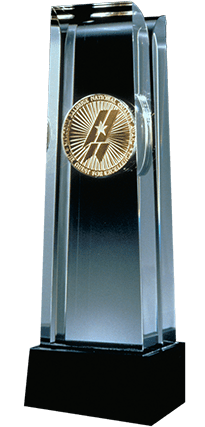
Malcolm Baldrige National Quality Award (2017, 2011)

Alaska Primary Care Association Quality Excellence Award (2023)

National Institutes of Health Tribal Health Research Office Storytelling Challenge (2017)

Malcolm Baldrige National Quality Award (2017, 2011)

Anchorage School District Spirit of Tomorrow Award (2014)

Level III, Patient Centered Medical Home™ three-year recognition – for SCF’s Anchorage Native Primary Care Center (2009-2012, 2012-2015, 2015-2018), Benteh Nuutah Valley Native Primary Care Center (2015-2018), McGrath Regional Health Center (2015-2018) and Nilavena Subregional Clinic (2015-2018). McGrath and Nilavena are rural Federally Qualified Health Centers (FQHC) from the National Committee for Quality Assurance. The Patient Centered Medical Home standards emphasize the use of systematic, patient-centered, coordinated care that supports access, communication and patient involvement.

Indian Health Service Director’s Award (2012)

Alaska Cultural Humanitarian Award (2012) – presented by the Alaska Psychological Association

Cerner Consulting Project Excellence Award (2011)

League of American Bicyclists’ Bicycle Friendly Business Award (2010)

Alaska Performance Excellence (APEX) Award (2009)

U.S. Dept. of Health & Human Services SAMHSA Science & Service Award (2009) for behavioral health/primary care integration

The Joint Commission accreditation for various facilities, a national recognized symbol of quality

Accreditation Association for Ambulatory Health Care (AAAHC) accreditation (2022) for dental services

The Commission on Accreditation of Rehabilitation Facilities (CARF) accreditation (1997) for behavioral health services

Level II, Trauma Center (ANMC hospital) – reverified in 2019 as a Level II Trauma Center by the Verification Review Committee (VRC), an ad hoc committee of the Committee on Trauma (COT) of the American College of Surgeons (ACS). ANMC was Alaska’s first Level II Trauma Center – first receiving verification in 1999.

Level II, Pediatric Trauma Center (ANMC hospital) – verified in 2018 as a Level II Pediatric Trauma Center by the Verification Review Committee (VRC), an ad hoc committee of the Committee on Trauma (COT) of the American College of Surgeons (ACS).

Program Awards


Alaska Public Health Association’s Community Service Award for Health: Cleft Lip and Palate Program at ANMC (2024)

Alaska Public Health Association’s Community Service Award for Health: Sullivan Arena Clinic Partnership (2020)

Indian Health Service Director Award: Your Care, Your Choices (Advanced Care Planning Initiative) (2017)

Alaska Public Health Association 2016 Health Equity award: Nutaqsiivik (2016)

Brandon Hall Group’s Excellence in Talent Management, Silver Award for Best Onboarding Program: Administrative Support Training Program (2012)

National Indian Health Board Local Impact Award: RAISE Program (2011)

Alaska Primary Care Association’s Coho Award: Rural Crisis Response Team (2011)

Indian Health Service Director’s Special Recognition Award: Traditional Healing Clinic (2011)

Public Relations Society of America (PRSA) National Silver Anvil Award of Excellence: Southcentral Foundation’s 12th Annual Gathering (2010)

Alaska Public Health Association’s Community Service Award for Health: Family Wellness Warriors Initiative (2010)

Alaska Governor’s Shirley Demientieff Award: Family Wellness Warriors Initiative (2010)

National and/or Global Community Service Heroes of Healthcare Award: Family Wellness Warriors Initiative (2010)

Mary Byron Foundation’s Celebrating Solutions Award: Family Wellness Warriors Initiative (2010)

Spirit of Youth, Service to Community Award: RAISE Program Summer Interns (2008)

National Indian Health Board Area/Regional Award: Family Wellness Warriors Initiative (2009)

TESTIMONIALS

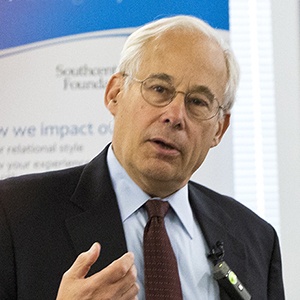
Don Berwick

Don Berwick

President Emeritus and Senior Fellow, Institute for Healthcare Improvement
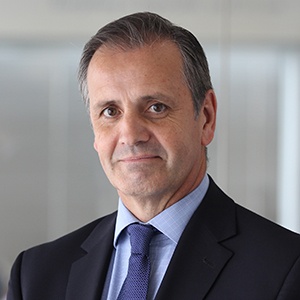
Derek Feeley

Derek Feeley

Former President and CEO, Institute for Healthcare Improvement (IHI)
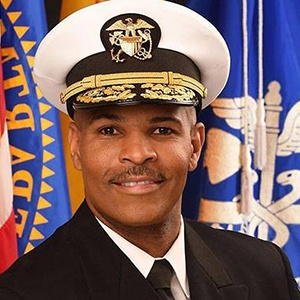
Jerome Adams

Jerome Adams

Former Surgeon General of the United States