Innovating Crisis Response and Recovery Services in Alaska
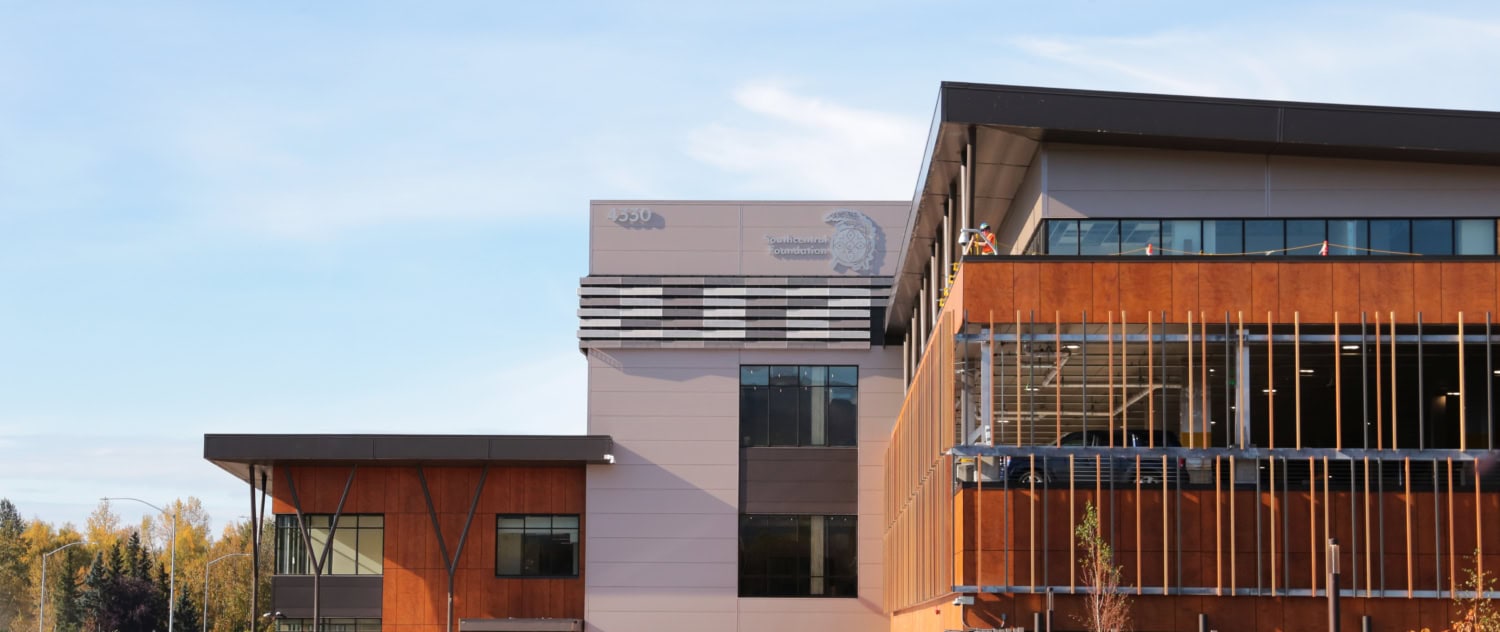
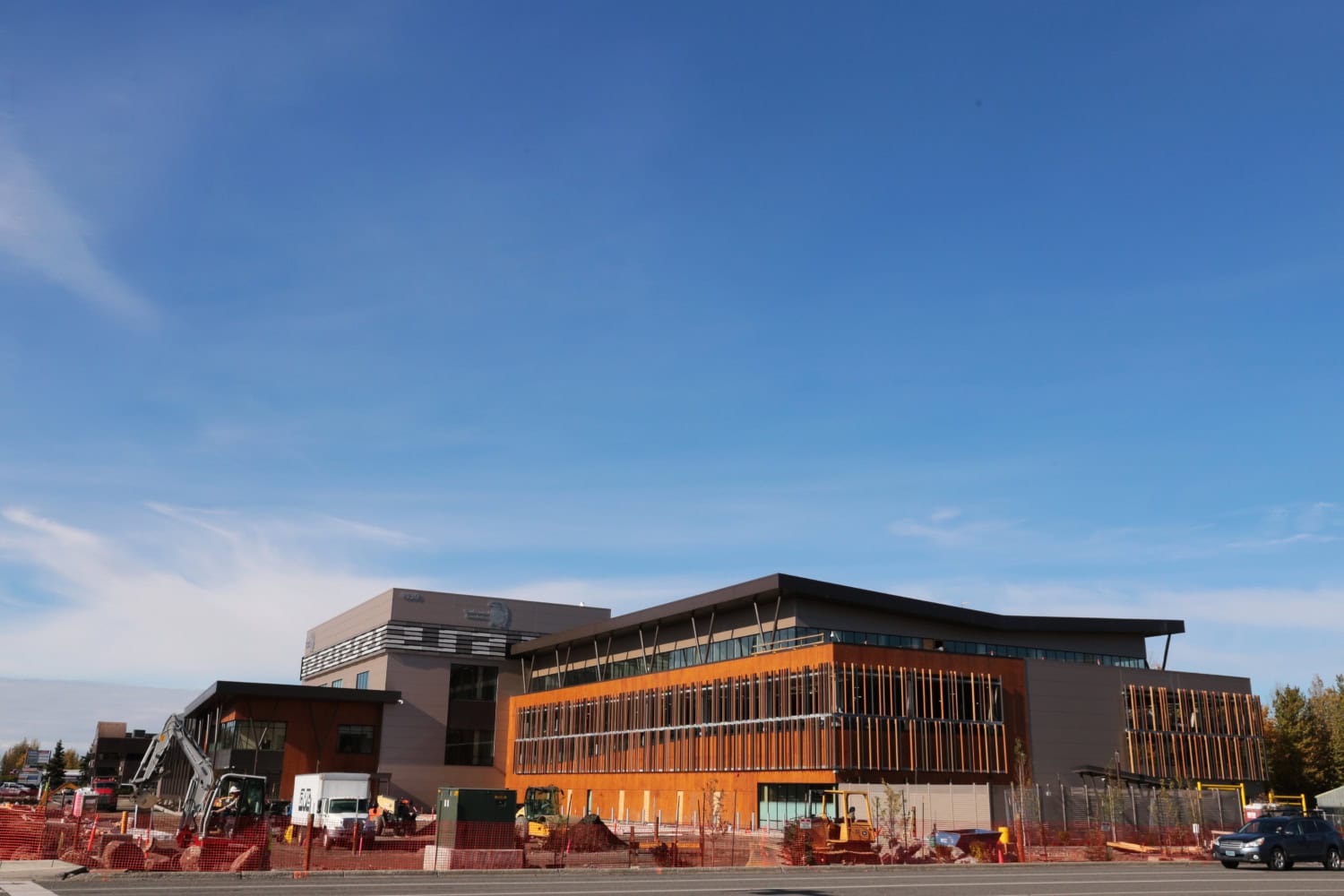
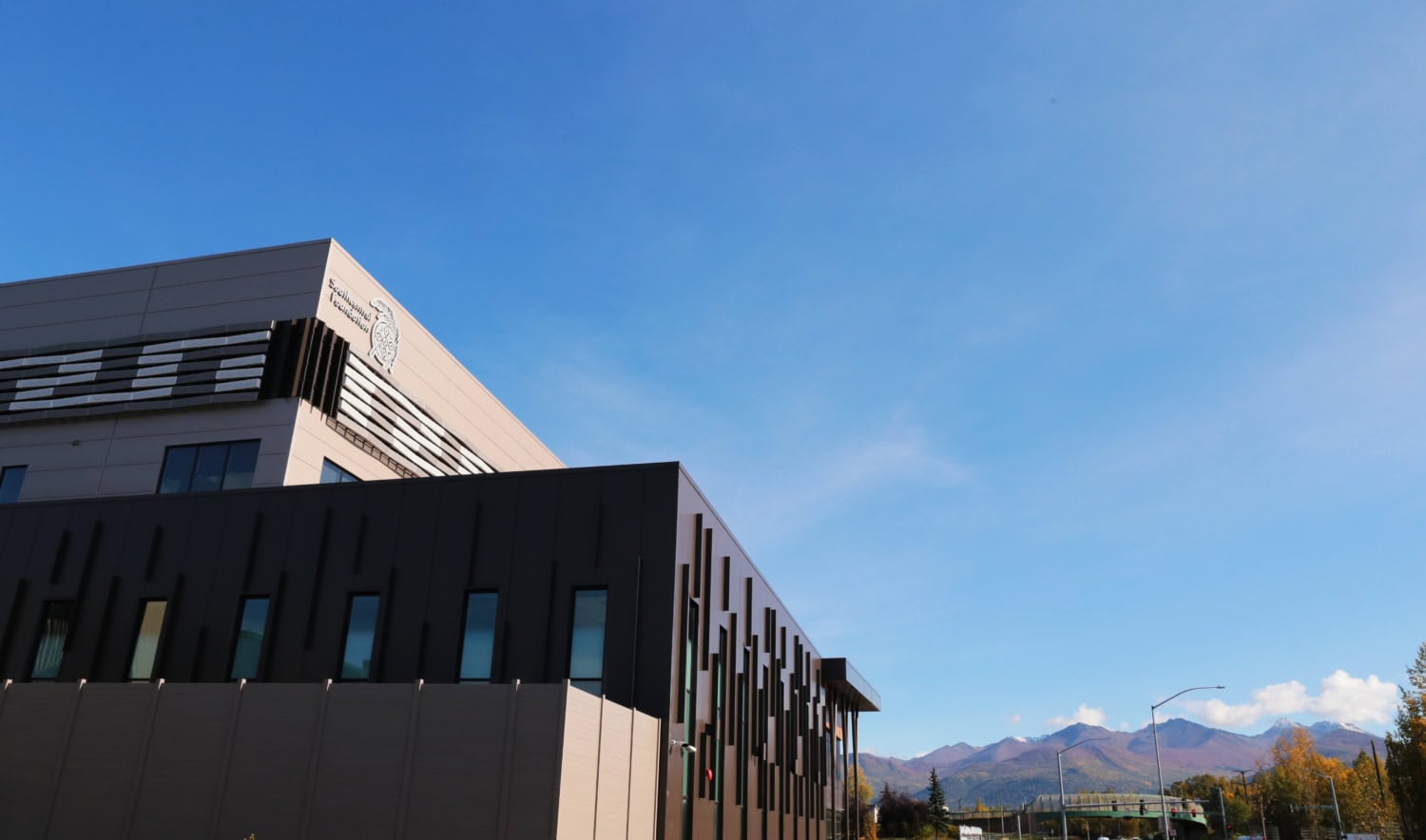
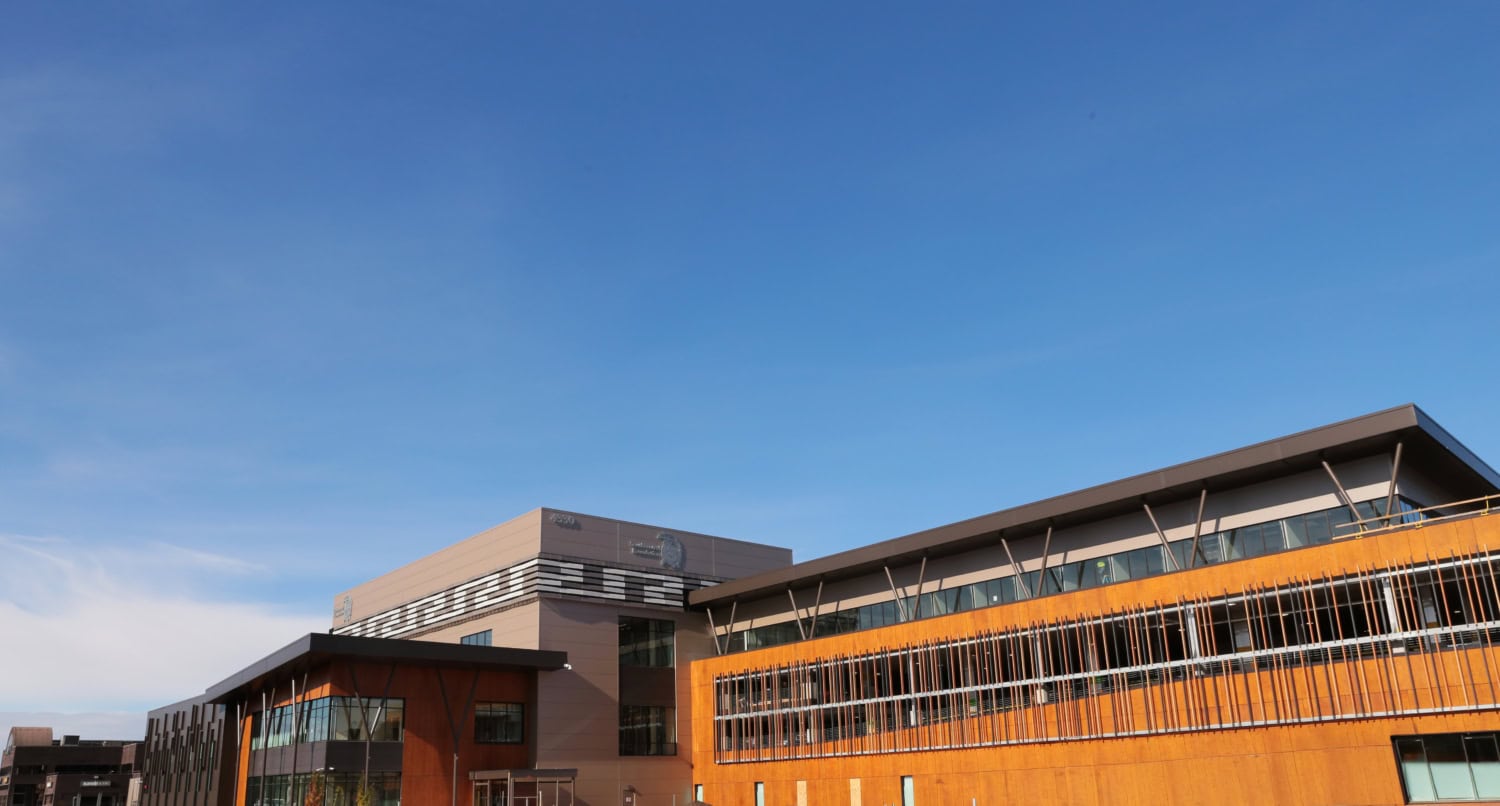
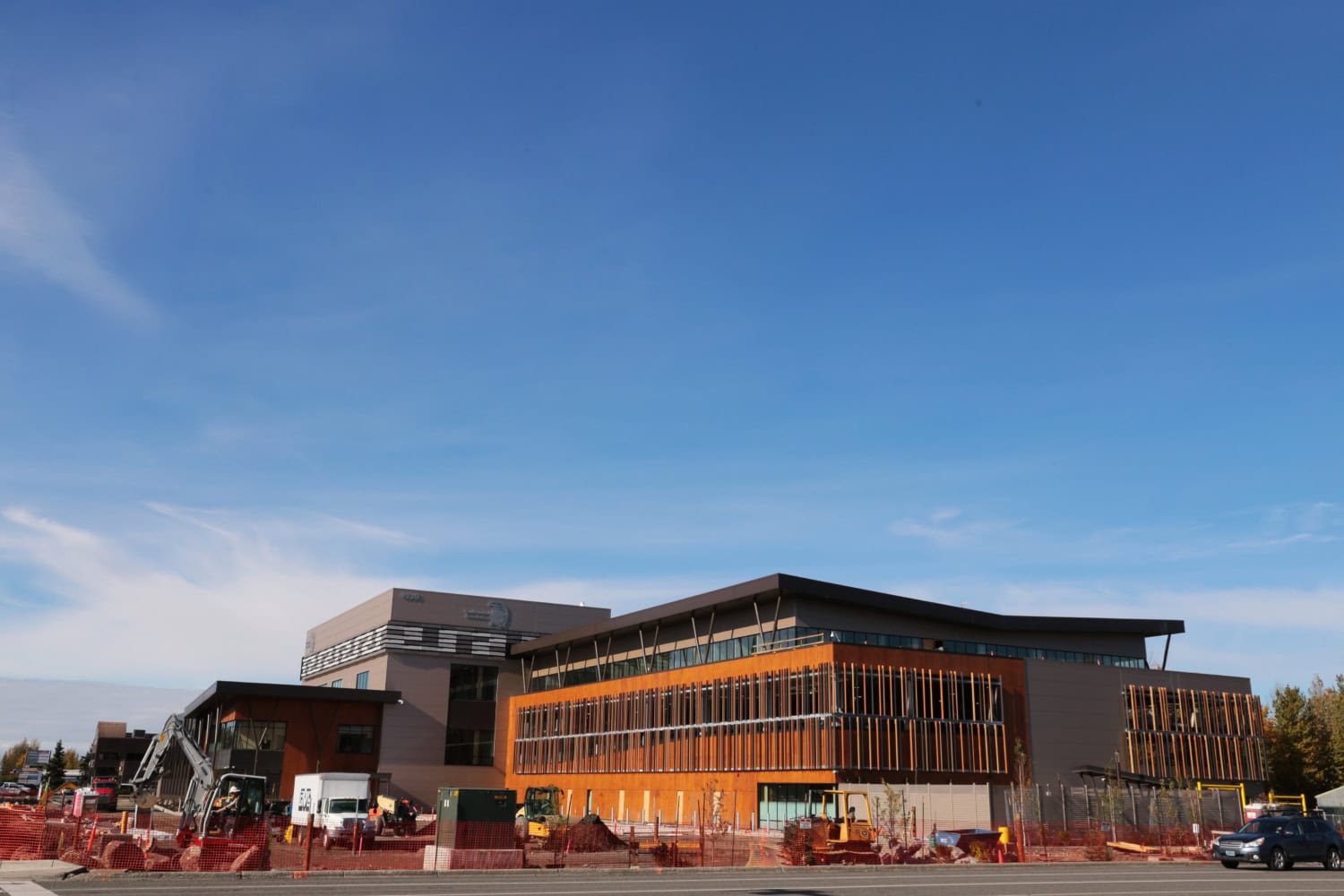
Health systems seeking to address growing behavioral health needs may be interested in learning about Southcentral Foundation’s new facility and expanded programming. SCF is opening Yeshjesh T’uh (which means “I am safe place” in Dena’ina Athabascan) this year.
Yeshjesh T’uh is a new state-of-the-art 100,000 square foot facility that will provide compassionate, trauma-informed, and culturally sensitive services for individuals in crisis and those seeking recovery. Yeshjesh T’uh will house the following programs:
- Adult Crisis Stabilization Center (16 chairs): A short-term clinical service, providing 24/7 same day walk-in access and first responder drop offs for individuals experiencing a mental health or substance use crisis. The focus of this program is immediate assessment, stabilization, medication management, case management and plans developed for discharge to a higher or lower level of care. This 23-hour facility will offer immediate support in a calm, home-like setting. Its goal is to prevent unnecessary emergency room visits and provide a bridge to ongoing care.
- Expanded Withdrawal Management (30 beds): The SCF Detox program will relocate to Yeshjesh T’uh, increasing its capacity and enhancing services with 24-hour medical supervision and medication-assisted treatment to support people withdrawing from substances safely. Services are offered to all members of the community, statewide.
- Outpatient Behavioral Health Services: Provides specialty mental health services for customer-owners who need medication management, increased community case management, and same-day access to additional support. This service ensures continuity of care for individuals transitioning from crisis services and aims to support long-term wellness and recovery.
- Adult Crisis Residential Program: Individuals who need more support to stabilize can transition to this 16-bed residential program for further observation, assessment, and treatment. This program builds upon the work started in crisis stabilization and care teams refine the treatment plan to support individuals transitioning back to the community as quickly as possible. Access to this program will be through the crisis stabilization center or through referrals from other Tribal Health Organizations.
The development of this facility aligns with the national Crisis Now model, which emphasizes a coordinated response to behavioral health emergencies. This includes offering 24/7 access to care, ensuring people in crisis receive help quickly in the least restrictive setting possible, and engaging in peer support to foster hope and connection.
If you would like more information about behavioral services at SCF, or any other aspect of SCF’s Nuka System of Care, feel free to contact the SCF Learning Institute.